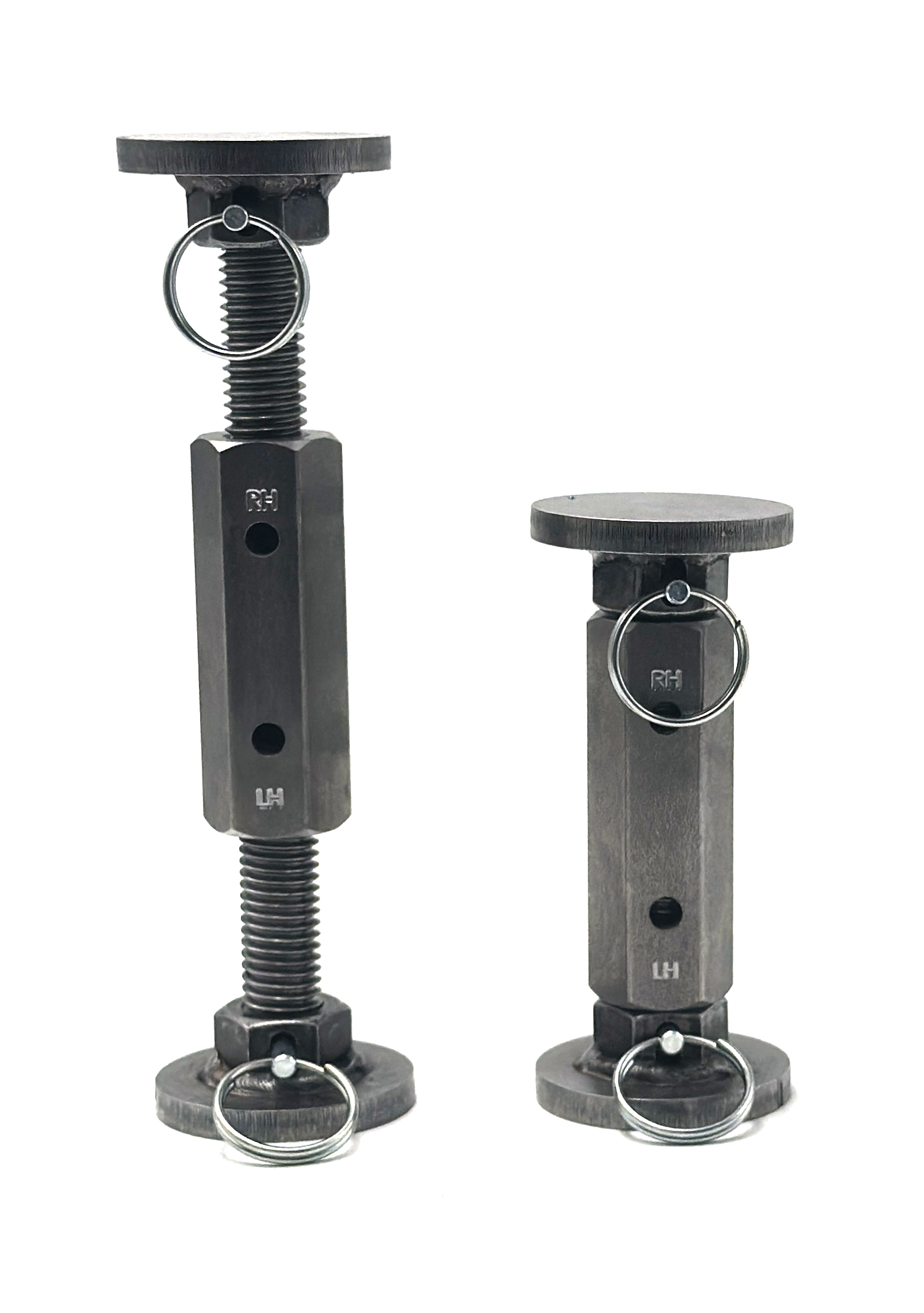
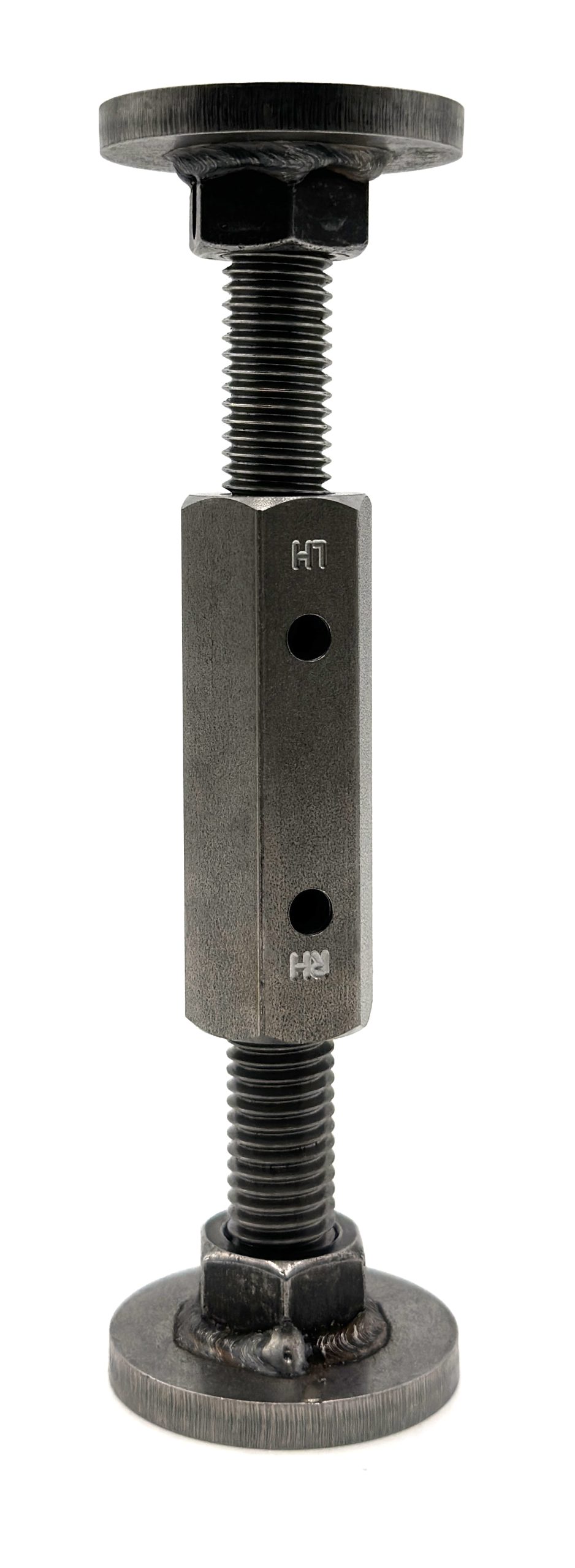
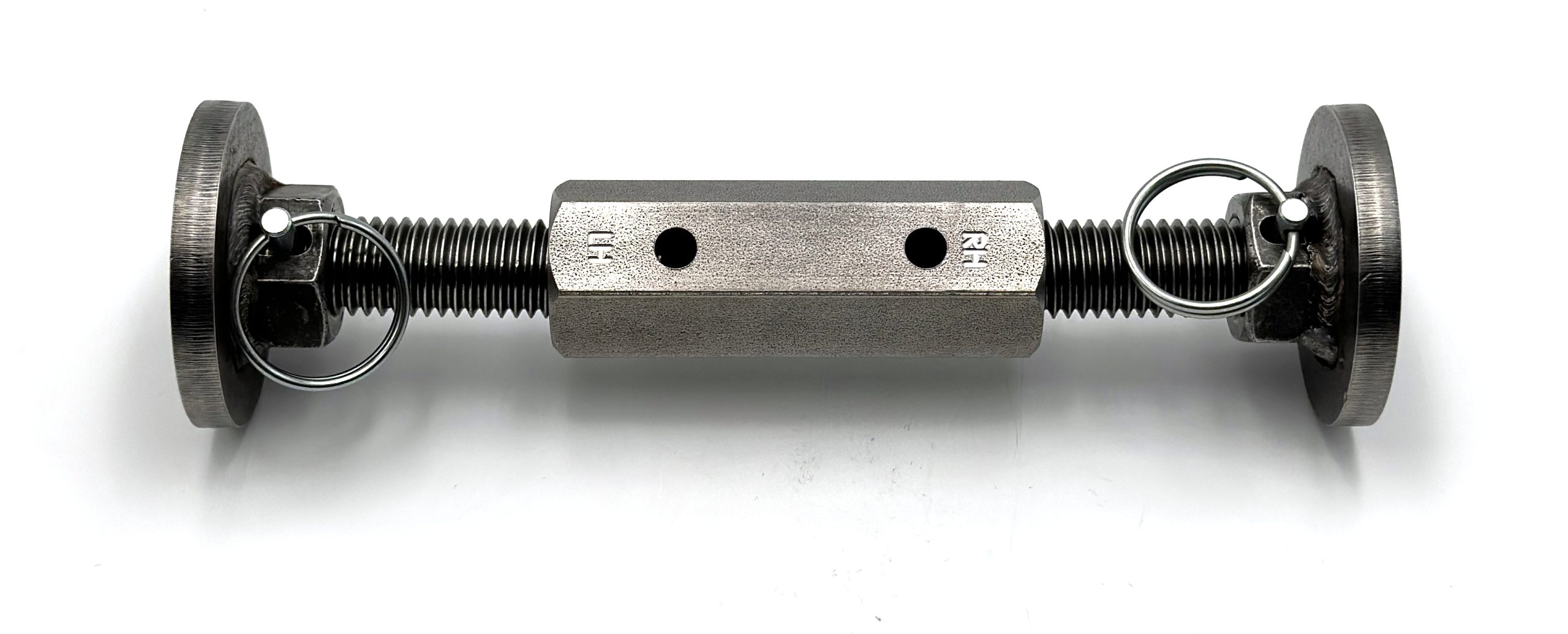
Standard Dead Shoring Bolts
Price range: $750.00 through $15,000.00
Vertical Shoring
“Patent Pending#19/241.501” Standard dead shoring, also known as vertical shoring, is a temporary support system used in construction to transfer the weight of a structure vertically while facilitating a repair or modification to a slab on a grade stemwall foundation. It supports the structure’s weight and transfers it to the support footing during this process. These supports may be removed once the structural integrity is restored or left in to ensure stability of the repair.
Temporary vertical support during a foundation repair
Dead shoring — also called vertical shoring — carries a structure’s weight down to a support footing while the load path beneath it is opened up. On a slab-on-grade or stem wall foundation, that is what makes it possible to repair or modify the wall without the framing above settling into the work.
The Standard Dead Shoring Bolt (Patent Pending #19/241.501) is engineered for that transfer. Supports can be struck once structural integrity is restored, or left in place permanently where the repair benefits from the added stability.
When shoring belongs in the scope
- Stem wall sections being cut or rebuilt — where bearing is temporarily removed beneath a load-bearing wall.
- Anchor replacement over long unsupported runs — where several connections are open at once.
- Spalled or delaminated concrete — where the existing wall cannot be trusted to carry load during the work.
- Sequenced repairs — staged work where a section must stay supported between site visits.
Planning the installation
Shoring is a structural decision, not just an equipment choice: the support footing has to be adequate for the transferred load, and the engineer of record should confirm the arrangement before any bearing is removed. Local jurisdictions differ on what documentation they want for foundation work — some require an engineer’s letter, some require no permit at all — so confirm before the crew mobilises.
Ordering
Shoring bolts ship from Tempe, Arizona, typically within five to eight business days. Most repairs pair shoring with a permanent connection: knife anchors where J-bolts have failed, or center plate anchors where straps and tie-downs have.
Frequently Asked Questions
Dead shoring, also called vertical shoring, is a temporary support system that transfers the weight of a structure vertically to a support footing while a repair or modification is made to a slab-on-grade or stem wall foundation.
Yes. Supports may be removed once structural integrity is restored, or left in to ensure the stability of the repair.
Whenever bearing is temporarily removed beneath a load-bearing wall: stem wall sections being cut or rebuilt, several anchor connections open at once, spalled concrete that cannot be trusted to carry load, or staged repairs that must stay supported between site visits.
It is covered by Patent Pending #19/241.501.
The system exceeds ACI and ICRI criteria and is used nationwide. Because this is a repair to a structural connection, many Arizona jurisdictions ask for a letter from the engineer of record before sign-off, while some require no permit at all. Confirm with your local building department before scheduling the work.
Yes. Grade B7 rod is a heat-treated chromium-molybdenum low-alloy steel with a minimum tensile strength requirement of 125 ksi (860 MPa), yield 105 ksi (720 MPa), and maximum hardness of 35 HRC. The alloy is specified for corrosion resistance as much as for strength.
Orders ship direct from Tempe, Arizona. Average delivery is between five and eight business days.
Our clients report pricing installed bolts at two times material cost or more. It is worth factoring that into a bid before ordering quantity.