Free Shipping on All US Orders

Resources and FAQ

Technical guides, repair planning articles, and common questions for retrofit concrete anchor bolt projects.

How to replace Anchor Bolts with New Standard Anchor Bolts

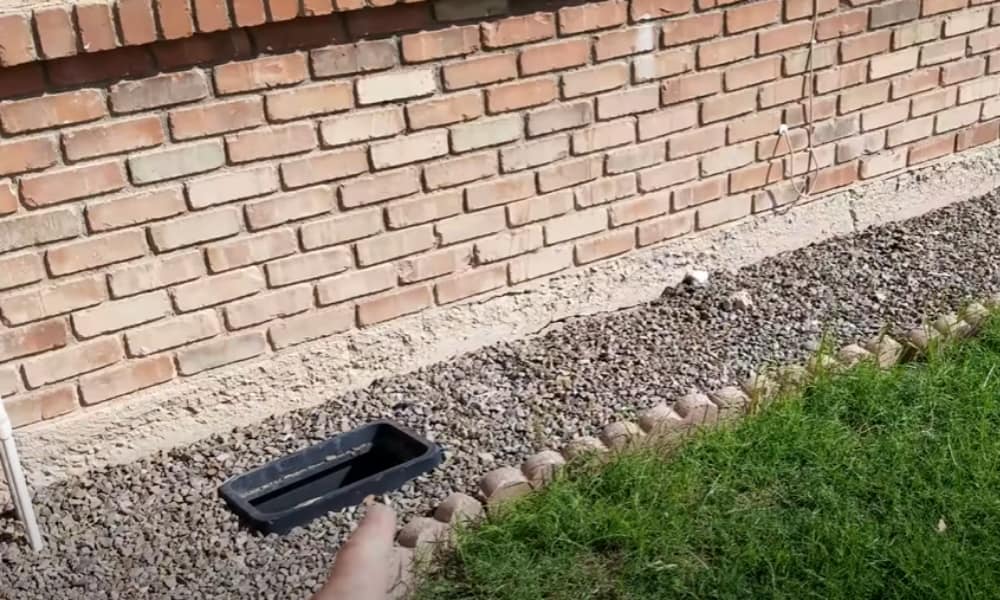
How to replace J-bolts and Straps with New Standard Anchor Bolts in Arizona Step-by-Step Replacement Process Assess the Foundation: Identify failing J-bolts (often rusted or expanding) and tie-down straps. Inspect the structure for any damage [...]
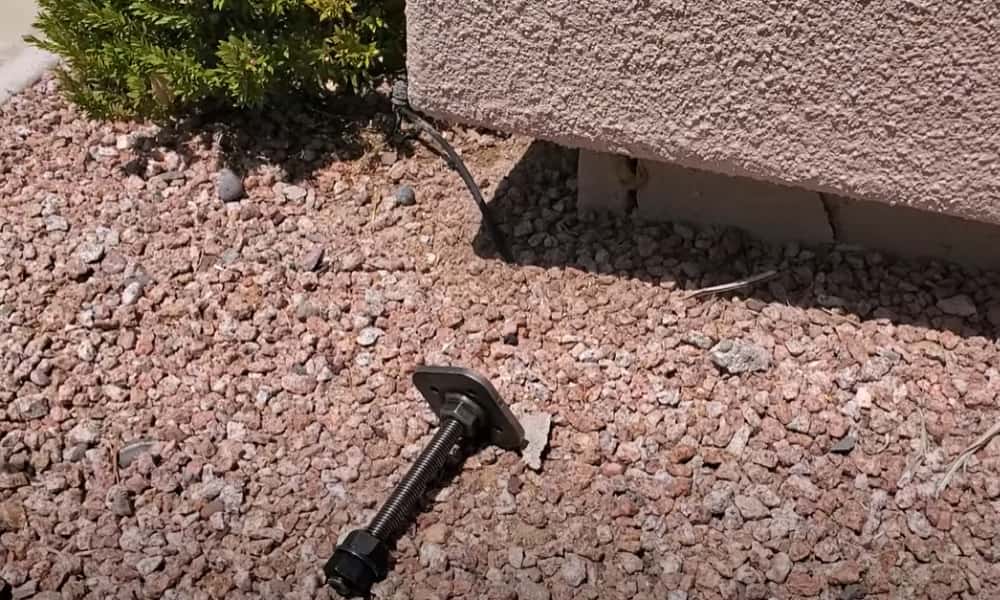
  • Retaining wall secured with center plate concrete bolts for added structural support

Strong Retaining Walls with Center Plate Anchor Bolts

Summary Highlights: Center plate concrete systems help stop cracks, leaning, and wall collapse by reinforcing with strong steel. The wide plate design spreads pressure evenly and strengthens old or new retaining [...]

  • Upgraded anchor bolts improving home foundation safety and insurance value

Why Upgrading Anchor Bolts Can Lower Home Insurance Premiums

Summary Highlights: Upgrading anchor bolts strengthens your home’s structure and helps prevent costly storm damage. Insurance companies reward risk-reduction—secure foundations may lead to lower monthly premiums. Modern bolts meet code, unlike [...]

  • Crawl space warning signs showing the need for anchor bolt reinforcement

Signs Your Crawl Space Needs Anchor Bolt Reinforcement

Summary Highlights: Weak, cracked, or shifting crawl space walls may signal anchor bolt failure. Loose framing or visible rust can indicate urgent anchoring issues. Upgrading during home remodeling ensures code compliance [...]

  • Knife anchor bolts securing home framing before high-wind season

High-Wind Season Prep: Upgrade to Knife Anchor Bolts

Summary Highlights: Standard knife anchor bolts help keep your home securely anchored during strong wind events and severe weather. They perform better than outdated J-bolts and tie-down straps by offering improved [...]

Frequently Asked Questions

What is an anchor bolt?

An anchor bolt ties the timber frame of a building to its concrete foundation. It passes through the sill plate — the horizontal timber sitting on the foundation — and anchors into the concrete below, so that wind uplift and seismic movement are transferred into the foundation instead of shifting the structure off it.

How far apart should anchor bolts be spaced?

The International Residential Code sets the common baseline: anchor bolts no more than 6 feet apart, with one within 12 inches of each end of every plate section, and at least two bolts per plate. Local jurisdictions can set their own requirements, and on a repair the engineer of record determines the spacing that applies to your project.

Can anchor bolts be replaced without removing the foundation?

Yes. That is the purpose of a retrofit anchor bolt. The failed J-bolt or strap is cut out and the replacement is installed into the existing concrete, so the foundation stays in place and the structure does not need to be lifted or re-poured.

How do I know if my anchor bolts are failing?

The usual signs are rust staining or streaking on the stem wall, cracking or spalling of the concrete around a bolt, a nut that turns freely or has no resistance, a washer sitting loose against the plate, or visible movement between the sill plate and the foundation. Corrosion does its damage inside the concrete, so visible rust normally means the problem is already advanced.

What is the difference between a J-bolt and a retrofit anchor bolt?

A J-bolt is cast into wet concrete when the foundation is poured, so it can only be installed during construction. A retrofit anchor bolt is designed to be installed into concrete that has already cured, which is what makes it suitable for repair and replacement work on an existing building.

Do I need a permit to replace anchor bolts?

It depends on the jurisdiction. Some cities require no permit for this work and others do. Local building officials may also ask for a letter from the engineer of record before the work proceeds, so it is worth confirming with your building department before scheduling.

What are these anchor bolts made from?

Grade B7 rod — a heat-treated chromium-molybdenum low-alloy steel with a minimum tensile strength of 125 ksi (860 MPa), yield of 105 ksi (720 MPa) and maximum hardness of 35 HRC. They are manufactured in the USA.

Which anchor bolt should I use for my repair?

It depends on what failed and what the connection has to carry. Standard Knife Anchor Bolts replace corroded J-bolts and tension tie straps in wood-framed structures, Center Plate anchors suit sill plate and mudsill connections, and Dead Shoring Bolts provide temporary support while the repair is carried out. Comparing the load values and material specifications for your specific application is the responsibility of the engineer of record.

Can the new anchor bolts replace existing anchors in the foundations in my city and meet city codes?

Yes. Exceeds ACI standards nationwide, and some cities don’t require a permit at all.

What should I charge my customers per anchor bolt install?

Our clients report pricing bolts at 2 times or more of cost.

How long will it take to receive my order?

Average shipping times for delivery are between 5 and 8 business days.

Are these anchor bolts corrosion resistant?

Yes. Grade B7 rod is a heat-treated chromium-molybdenum low-alloy steel with minimum tensile strength requirement of 125 ksi (860 Mpa), yield 105 ksi (720 Mpa), and maximum hardness of 35HRC.

What causes these j bolts and straps to break and crack foundation walls?

The J-bolts and Straps corrosion expanding up to 5 times their size in diameter breaking out the concrete foundation walls.

Your Privacy Choices

We use cookies and similar technologies to keep this website working properly, understand how visitors use the site, and improve your experience. Essential cookies are always active because they are required for the website to function. With your permission, we may also use analytics and marketing cookies. You can accept all cookies, reject non-essential cookies, or customize your preferences at any time.

Consent Management

Privacy Preferences

These tools are on unless you turn them off. Necessary functionality is always available.

Required for core site functions, security, and your privacy choices.

Google Analytics and similar tools, when this site uses them.

Google Ads, Meta, and similar advertising tools, when this site uses them.

YouTube and similar embedded videos.

Read our Privacy Policy